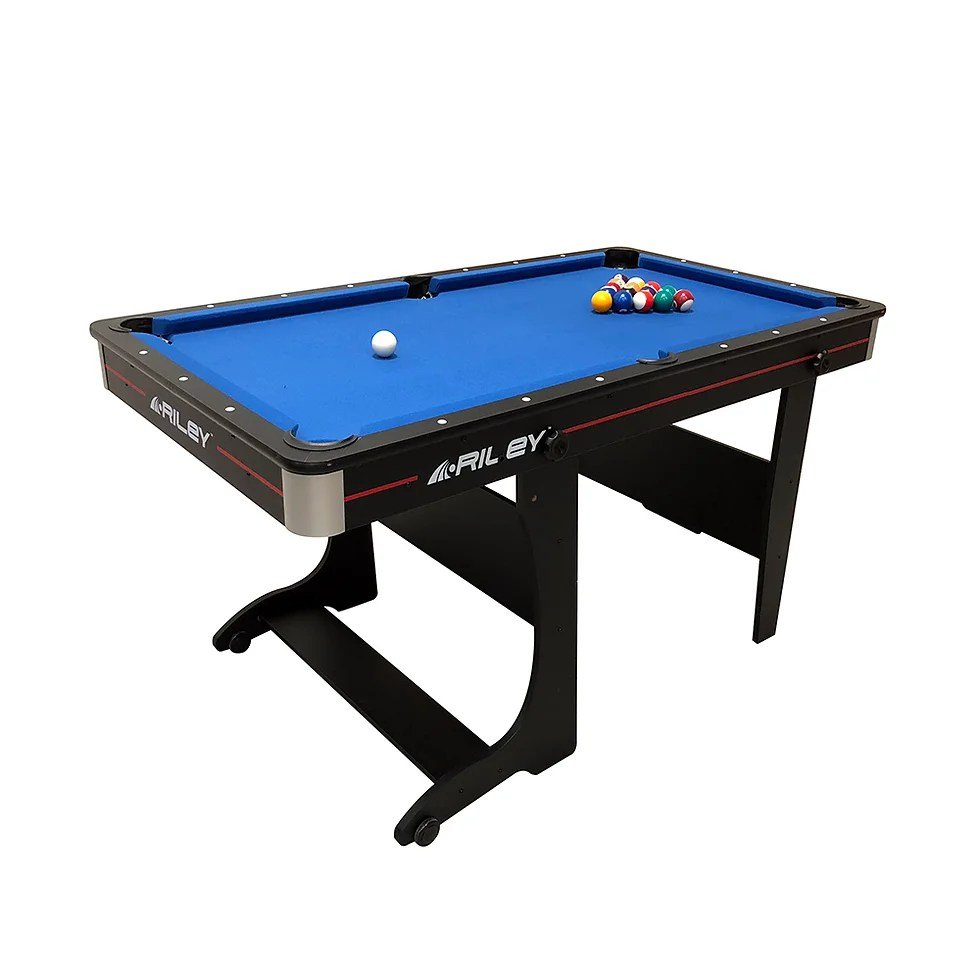
When you hear "Riley Ou Gameplay & Champion Pool," you might first picture a professional esports athlete dominating a virtual arena. But what if that same level of strategic depth and versatile mastery were applied to the classic felt tables of cue sports? Riley Ou, in this context, represents the pinnacle of pool acumen, a player whose gameplay isn't confined to a single variant but spans a diverse and formidable champion pool—a repertoire of skills and strategies honed across the many fascinating forms of pool.
This isn't just about sinking balls; it's about understanding the nuances of each game, adapting tactics, and consistently executing under pressure. Riley Ou's approach offers a masterclass in how a broad skill set translates into unparalleled table control, mental fortitude, and an uncanny ability to navigate any cue sport challenge.
At a Glance: Decoding Riley Ou's Pool Mastery
- Diverse Repertoire: Not limited to one game, Riley Ou excels across 8-Ball, 9-Ball, 3-Ball, and One-Pocket, treating each as a distinct challenge.
- Strategic Adaptability: Prioritizes understanding the unique objectives and strategic demands of each pool variant.
- Positional Play Focus: Emphasizes ball placement and shot sequencing as central to consistent success in all games.
- Mental Fortitude: Recognizes the psychological battle, employing patience, focus, and opponent analysis.
- Continuous Learning: Always open to new challenges and unconventional pool experiences to refine overall game sense.
- Execution Precision: Combines theoretical knowledge with flawless cue ball control and shot execution.
Beyond the Basics: Defining Riley Ou's Strategic Depth
In the world of competitive video games, a "champion pool" refers to the set of characters, heroes, or archetypes a player has truly mastered. It signifies versatility, the ability to adapt to different matchups, and a deep understanding of multiple strategic angles. Applied to pool, Riley Ou's "champion pool" isn't about magical characters; it's about a profound command over the various pool game variations and the specific strategies each demands.
Imagine a chess grandmaster who doesn't just play standard chess, but also excels at Fischer Random, Three-Check, and King of the Hill. That's the essence of Riley Ou's pool game. Rather than specializing in just 8-Ball, this approach champions a holistic understanding of cue sports. It recognizes that mastery in one variant often enhances skills applicable across the board—be it cue ball control, safety play, or shot selection. This depth provides a distinct advantage, allowing Riley Ou to not just win games, but to truly dominate the felt, regardless of the rule set.
The Cornerstone: Mastering 8-Ball Pool's Tactical Nuances
For many, 8-Ball is the game of pool. It's the most widely played variation, especially in the United States, and often serves as the entry point for aspiring players. Riley Ou's command of 8-Ball is foundational, showcasing a deep understanding of its core mechanics: claiming a suit, pocketing all balls of that suit, and then flawlessly sinking the black eight ball.
In Riley Ou's playbook, 8-Ball isn't just a race to pocket balls. It's a strategic dance involving calculated aggression and astute defensive play. You won't see reckless shots; instead, every stroke is part of a larger plan.
Consider suit selection: it’s not always about taking the suit with the easiest immediate shot. Riley Ou meticulously assesses the table, looking at clusters, potential safety shots, and the easiest path to clear an entire suit, all while denying the opponent similar opportunities. This involves predicting several shots ahead, a hallmark of advanced play. When playing 8-Ball Billiards online, this foresight is even more critical, as the pace can be quicker and opponents less predictable.
Safety play is another cornerstone. If there isn't a clear path to pocket a ball and leave the cue ball in a favorable position, Riley Ou often opts for a safety. This means intentionally leaving the opponent with a difficult shot or no shot at all, forcing a foul or a break, and buying time to reassess the table. The eight ball itself is treated with the utmost respect. Sinking it prematurely or committing a foul on the final shot is a rookie mistake Riley Ou never makes. Instead, the approach to the eight ball is often the most precise part of the game, setting up an optimal angle and distance for the winning shot, often utilizing intricate cue ball paths to clear obstacles.
Expanding the Arsenal: Nine-Ball's Positional Prowess
While 8-Ball focuses on clearing a suit, Nine-Ball shifts the emphasis to a rotation game, using only the first nine balls. The objective is simpler: players must always contact the lowest-numbered ball on the table, and the game is won by pocketing the 9-ball. This seemingly straightforward rule set hides a profound strategic depth centered around positional play.
Riley Ou approaches Nine-Ball with a surgeon's precision. Since only the lowest numbered ball needs to be contacted, the goal isn't just to pocket a ball, but to leave the cue ball in a perfect position for the next lowest ball. This means shots are rarely "just pocketing a ball"; they're about shaping the table for future moves.
For instance, after pocketing the 1-ball, Riley Ou isn't just hoping for an easy shot on the 2-ball. The initial shot is planned to guide the cue ball to a specific area that provides an optimal angle for the 2-ball. This meticulous shot sequencing continues through all nine balls. Sometimes, this even means deliberately missing a low-numbered ball (or playing a safety) to gain better position on the next ball or to tie up the opponent. Understanding the flow of the balls, where they're likely to end up after each shot, and how to manipulate the cue ball for maximum advantage—these are the hallmarks of Riley Ou's Nine-Ball game.
The Finesse of Fewer Balls: Three-Ball & Its Unique Pressures
Three-Ball is a swift, high-stakes rotation game involving only three balls. All three balls must be pocketed, and the player who makes the last shot wins. This variation is less about clearing a suit and more about tactical patience and endgame calculation, often leading to incredibly tense finishes.
Riley Ou's mastery of Three-Ball shines through in the subtle art of "leaving" the opponent. Since the last shot secures victory, it's not always about pocketing a ball if it means leaving the next ball perfectly open for your adversary. Instead, Riley Ou often employs strategic safeties or tricky shots that aim to pocket a ball while simultaneously making the next shot difficult for the opponent, or even setting up a situation where the opponent is forced to leave the third ball for Riley Ou.
This requires a delicate balance of aggression and defense. There's an innate understanding of the "break point" – the moment when going for a pocket becomes more advantageous than playing safe. The game becomes a psychological battle over who can force the other into a bad position with only one or two balls left. It's a testament to Riley Ou's mental game, where every shot counts, and miscalculating even a small angle can swing the entire game.
Strategic Chess on Felt: The Art of One-Pocket
One-Pocket is arguably the most strategic and cerebral of all common pool games. Each player is assigned one of the table's corner pockets, and the first player to pocket eight balls into their opponent's corner hole wins. This isn't about clearing your own balls; it's about controlling the table, denying your opponent, and meticulously working the balls towards your designated pocket.
Riley Ou approaches One-Pocket like a grandmaster eyeing a chessboard. Every shot is a multi-layered decision. You're not just thinking about sinking a ball; you're considering:
- Which ball to move: Is it better to move a ball towards your pocket, or prevent an opponent from moving one towards theirs?
- Cue ball control: Where will the cue ball end up, and will it leave an easy shot for your opponent?
- Defensive setups: Can you intentionally block an opponent's path to their pocket with a cleverly placed ball?
Riley Ou excels at the "block-and-score" strategy. Balls are often moved incrementally, slowly but surely making their way towards the target pocket, while simultaneously setting up defensive barriers to prevent the opponent from doing the same. It's a game of patience, positioning, and extreme foresight. Sometimes, a shot that appears to do nothing more than shift a ball a few inches is, in fact, the opening move of a complex sequence designed to unlock a cluster or deny an opponent a future opportunity. The ability to anticipate an opponent's moves and counter them several turns in advance is where Riley Ou truly shines. This depth of strategic thought makes challenging friends to a game of pool in One-Pocket an intensely rewarding experience.
Beyond the Standard Table: Exploring Diverse Pool Experiences
Riley Ou's diverse "champion pool" extends beyond the traditional competitive variants, showcasing an adaptability to a wide array of cue sport experiences. This broad interest not only keeps the game fresh but also hones transferable skills.
While the focus remains on core competitive games, Riley Ou also recognizes the value in exploring novel and even unconventional pool titles. Games like Blast Billiards, a classic Flash title that offered a different take on the physics and objectives of pool, contributed to a broader understanding of ball dynamics and shot creativity. This willingness to step outside the familiar reinforces adaptability—a crucial trait for any master player.
Even seemingly simple or themed variations like Pool Bubbles, a bubble shooter game with a pool aesthetic, or the generic "Billiards" game offering 8-ball or straight pool against a computer, contribute to Riley Ou's overall game intelligence. They help in honing fundamental skills like aiming and understanding angles, albeit in a different context. Mastering the fundamental principles of cue sports means you can quickly adapt to varied mechanics, whether it's the classic feel of Pool Club or a quirky new online variant. This continuous engagement with different formats ensures that Riley Ou's skill set remains sharp and versatile, ready for any challenge the felt, or screen, might present.
Building a Resilient Pool Repertoire: Key Principles from Riley Ou
So, what can aspiring pool players learn from Riley Ou's multifaceted approach? It's not just about playing more games; it's about how you play them.
- Consistent, Deliberate Practice:
Practice isn't just mindless shooting. It's about breaking down components: cue ball control, aiming, bridge formation, stroke mechanics. Riley Ou dedicates time to drills that isolate these elements, reinforcing muscle memory and precision. For instance, practicing drawing the cue ball back consistently to a specific spot, or making it stop dead after contact, is far more valuable than simply playing game after game without a specific improvement goal. - Strategic Study and Table Reading:
Before every shot, Riley Ou performs a comprehensive "table read." This involves:
- Identifying the objective: What's the best ball to shoot, given the game's rules?
- Analyzing obstacles: What balls are blocking the path? Are there any clusters?
- Predicting cue ball path: Where will the cue ball go after the shot? Is it leaving an easy shot for the opponent, or setting up the next one for oneself?
- Considering safety options: If an offensive shot is too risky, what's the best defensive play?
This analytical approach is honed by studying professional matches and visualizing different scenarios.
- Adaptability to Opponents:
Every opponent is different. Some are aggressive, some defensive. Some have strong banks, others struggle with cue ball control. Riley Ou observes and adapts, exploiting weaknesses and mitigating strengths. This might mean playing more aggressively against a timid opponent or focusing on tight safety play against someone who makes many long shots. - The Mental Game is Paramount:
Pool is as much a mental game as a physical one. Riley Ou emphasizes patience, focus, and emotional control. Bad shots happen. The key is to shake them off and maintain composure for the next shot. Techniques like visualization and pre-shot routines are crucial for maintaining consistency under pressure. Avoid tilting; every shot is a new opportunity. - Embrace Variety to Elevate Overall Play:
The core lesson from Riley Ou's "champion pool" is that diversifying your experience makes you a better player overall. Playing 9-Ball improves your positional play. One-Pocket sharpens your defensive tactics and strategic foresight. 3-Ball hones your endgame precision. This cross-pollination of skills means that even if 8-Ball is your primary game, exploring the best online pool games in other variants will ultimately make you a more formidable 8-Ball player.
Common Questions about Strategic Pool Mastery
Q: How often should I practice different pool games?
A: It's beneficial to dedicate specific practice sessions to different games. For instance, you might focus on 8-Ball for two sessions, then switch to 9-Ball for one, and practice specific One-Pocket drills once a week. The key is to be deliberate in your practice goals for each game.
Q: Is it better to specialize or diversify my game?
A: For truly advanced play, diversification, like Riley Ou's approach, is invaluable. While it's good to have a primary game you excel at, understanding multiple variants builds a more robust skill set and strategic mind, making you a more adaptable and formidable player overall.
Q: What's the quickest way to improve my positional play?
A: Focus on "stop shots" and "draw shots" drills. Practice making the cue ball stop dead or draw back to a specific spot after hitting an object ball. Then, introduce a second object ball and practice guiding the cue ball to set up your next shot. Repetition and visualizing the cue ball's path are crucial.
Q: How do I choose the right game for my skill level?
A: Start with 8-Ball, as it's widely understood and offers a good blend of offense and defense. Once you're comfortable, move to 9-Ball to refine your positional play. If you crave deep strategy and defensive chess, One-Pocket is an excellent next step. For quick, high-pressure games, 3-Ball is a great choice. Experiment to see what you enjoy and what challenges you.
Refining Your Game: Actionable Steps from Riley Ou's Playbook
To truly elevate your pool game, adopt the Riley Ou mindset: see every shot, every game, as an opportunity to learn and refine. Don't settle for merely sinking balls; strive for purposeful play.
Start by deliberately rotating through the major pool variants. Spend a week focused on 8-Ball, paying close attention to suit selection and safety play. The next week, shift your focus to 9-Ball, practicing precise cue ball placement for the next sequential shot. Then, challenge yourself with the strategic demands of One-Pocket, thinking several turns ahead. Even quicker, more tactical games like 3-Ball will sharpen your endgame calculations.
By actively engaging with this diverse "champion pool" of game types, you'll find your overall cue ball control improves dramatically, your ability to read the table becomes more intuitive, and your strategic foresight sharpens. This isn't just about winning more games; it's about deepening your appreciation for the intricate beauty and intellectual challenge of cue sports. Your game will become richer, more versatile, and far more enjoyable.
For a deeper dive into the mind behind this versatile approach to the game, you can always Learn more about Riley Ou.